
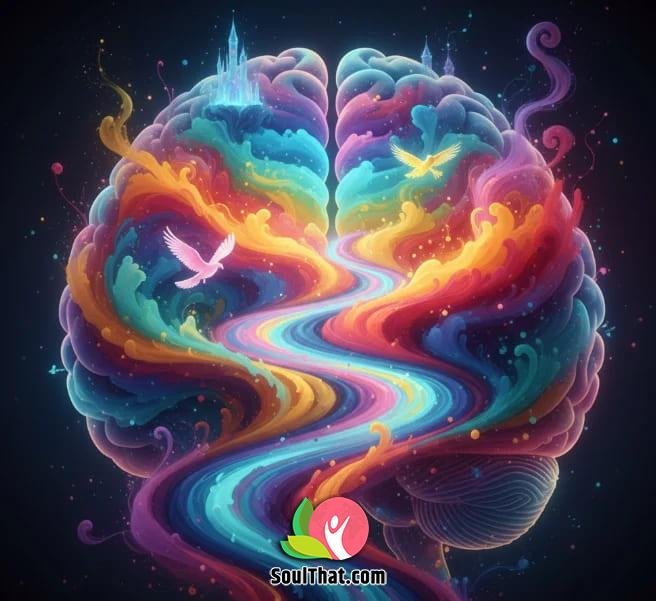
Introduction: When Color Speaks Without Words
Have you ever walked into a room and instantly felt calm, energized, or uneasy without knowing why?
That’s the silent language of color at work. Colors have the remarkable ability to influence how we feel, think, and imagine—often without us even realizing it.
From the fiery red of a sunset to the gentle blue of a morning sky, every hue carries emotional weight. Artists, designers, filmmakers, and even marketers rely on this invisible emotional code to trigger imagination and connect with human feelings.
In this article, we’ll explore how different colors ignite creativity, evoke emotions, and shape your imaginative world—whether you’re painting a canvas, decorating your home, or simply choosing what to wear.
Why Colors Affect the Human Mind So Deeply
Color isn’t just what your eyes see—it’s what your brain interprets.
When light hits an object, it reflects wavelengths that your eyes perceive as color. But here’s the magical part: your brain doesn’t stop at perception. It attaches emotions and memories to these colors, making them feel deeply personal.
The Science Behind Color and Emotion
Scientists have found that color affects the limbic system, the part of the brain responsible for emotions and memory. This is why:
-
Warm colors (reds, oranges, yellows) can make us feel energized, passionate, or alert.
-
Cool colors (blues, greens, purples) can make us feel calm, peaceful, or reflective.
-
Neutral tones (gray, brown, white) often bring balance, sophistication, or simplicity.
Here’s a quick overview:
| Color Family | Emotional Effect | Common Associations |
|---|---|---|
| Warm Colors | Energy, warmth, excitement | Fire, sun, motivation |
| Cool Colors | Calmness, relaxation, reflection | Water, sky, tranquility |
| Neutral Colors | Stability, simplicity, elegance | Earth, balance, minimalism |
Color as a Storyteller of Imagination
Colors have the unique ability to tell stories without words.
Think of how movies use lighting and color grading to express emotions. A golden sunset might symbolize hope or new beginnings, while a gray, desaturated scene might convey sadness or isolation.
The same principle applies to your imagination. When you see color, your brain instantly begins to create stories, moods, and connections.
How Artists and Designers Use Color to Spark Imagination
Artists know that color isn’t decoration—it’s emotion in visual form. For instance:
-
Vincent van Gogh used bold yellows and blues to express intensity and depth of feeling.
-
Pablo Picasso’s “Blue Period” represented his sadness and grief.
-
Modern graphic designers use specific palettes to make logos feel trustworthy, fun, or luxurious.
When you’re surrounded by certain colors, your creative brain activates, encouraging you to imagine, dream, and interpret meaning.
The Emotional Journey Through Colors
Let’s explore how individual colors impact your emotions and imagination in vivid ways.
🌹 Red: The Color of Passion and Power
Red grabs attention like no other color. It’s fiery, bold, and full of life.
Emotionally, red stimulates the heartbeat, raises energy levels, and evokes feelings of passion, strength, and excitement.
How it fuels imagination:
-
Inspires confidence and determination.
-
Sparks bold, dramatic ideas.
-
Helps you visualize action, courage, and love.
Where to use it:
-
In art or design to draw focus.
-
In workspaces to boost motivation.
-
In fashion to express bold personality.
🌞 Yellow: The Sunshine of Creativity
Yellow radiates happiness and optimism. It’s the color of sunshine, laughter, and fresh ideas.
It’s also known to stimulate mental activity and imagination, making it a favorite for creative thinkers.
How it fuels imagination:
-
Encourages positive thinking.
-
Boosts focus and innovation.
-
Helps generate bright, cheerful ideas.
Quick tip: Add yellow accents (like sticky notes, wall art, or light décor) to your study space to spark creativity during brainstorming sessions.
🌊 Blue: The Ocean of Calm and Reflection
Blue represents peace, wisdom, and stability. It’s the most universally loved color because of its soothing effect on the mind.
It lowers blood pressure and reduces stress, helping your imagination flow freely without chaos.
How it fuels imagination:
-
Promotes calm, thoughtful creativity.
-
Ideal for writing, designing, or meditating.
-
Connects your imagination with serenity and trust.
Where to use it:
-
In bedrooms or studios for a relaxed atmosphere.
-
In digital designs to convey reliability (like Facebook, LinkedIn).
🍃 Green: The Color of Growth and Harmony
Green symbolizes balance, renewal, and connection to nature. It bridges the energy of warm and cool colors, creating emotional equilibrium.
How it fuels imagination:
-
Enhances concentration and mental clarity.
-
Encourages growth-oriented ideas.
-
Inspires nature-themed or peaceful creativity.
Why it works: Humans evolved surrounded by greenery, so our brains associate it with safety, nourishment, and balance.
💜 Purple: The Gateway to Fantasy and Mystery
Purple has long been the color of royalty, luxury, and magic. Emotionally, it combines the calm of blue with the energy of red, resulting in a sense of mystery and imagination.
How it fuels imagination:
-
Inspires artistic and spiritual thinking.
-
Encourages originality and dreamlike ideas.
-
Perfect for creative writing, art, and fantasy design.
Fun fact: Many imagination-driven brands (like Cadbury or Hallmark) use purple to appear both creative and premium.
🧡 Orange: The Spirit of Adventure
Orange bursts with enthusiasm. It blends the passion of red with the cheerfulness of yellow. Emotionally, it symbolizes creativity, playfulness, and social warmth.
How it fuels imagination:
-
Boosts enthusiasm and teamwork.
-
Encourages risk-taking and exploration.
-
Ideal for brainstorming and group creativity.
Use it when: You need to break out of routine thinking and embrace bold, new ideas.
⚫ Black: The Depth of Mystery and Power
Black represents sophistication, strength, and depth. It has a psychological weight that adds seriousness or intrigue.
How it fuels imagination:
-
Encourages introspection and focus.
-
Creates a sense of mystery, ideal for storytelling or conceptual art.
-
Gives contrast and clarity to other colors.
Note: Use black in moderation—it can inspire elegance but also overwhelm if overused.
⚪ White: The Canvas of Possibility
White stands for purity, simplicity, and openness. It gives your imagination space to breathe.
Designers often use white as a backdrop because it allows every other color—and idea—to shine.
How it fuels imagination:
-
Encourages clarity and organization.
-
Promotes peace and fresh thinking.
-
Represents a blank slate for new ideas.
The Psychology of Color Combinations
Color rarely exists in isolation. When hues are combined, they can enhance or change emotional effects entirely. For example, blue and yellow together create balance—calm and optimism at once.
Color Harmony Chart
| Combination Type | Example Colors | Emotional Impact |
|---|---|---|
| Complementary | Blue + Orange | Energetic contrast and excitement |
| Analogous | Green + Blue + Teal | Calm and natural harmony |
| Triadic | Red + Yellow + Blue | Balanced and playful creativity |
| Monochromatic | Shades of Purple | Depth, unity, and emotional consistency |
Pro Tip: When you mix colors, think about the story they tell together.
-
A red-and-black combo feels powerful and daring.
-
A green-and-white mix feels fresh and pure.
-
A pink-and-gold pairing feels romantic and luxurious.
How Colors Influence Imagination in Everyday Life
Color’s emotional power doesn’t only live in art studios or galleries—it’s part of your daily world.
1. In Your Room or Workspace
Your environment directly shapes your mood and imagination.
-
Blue walls: calm focus.
-
Yellow lighting: creativity and alertness.
-
Green plants: freshness and comfort.
Decorating with intentional colors can boost creativity and reduce stress.
2. In What You Wear
Clothes send emotional signals—to yourself and to others.
-
Red outfits make you feel powerful.
-
Pastel colors make you feel soft and approachable.
-
Dark shades create a confident, composed image.
Color psychology is even used by public speakers and leaders to influence audience perception.
3. In Digital Design and Branding
Brands spend millions choosing the right colors because they know people feel before they think.
| Industry | Common Color Choices | Why It Works |
|---|---|---|
| Food & Beverage | Red, Yellow, Orange | Stimulates appetite and warmth |
| Technology | Blue, Gray | Feels smart, trustworthy, and stable |
| Fashion & Luxury | Black, Gold, Purple | Suggests elegance and creativity |
| Health & Wellness | Green, White | Represents purity and healing |
When a color connects emotionally, people remember the brand more vividly—proof that color shapes imagination and trust.
The Cultural Side of Color Emotions
Color meanings aren’t universal—they shift with culture and tradition.
For instance:
-
White means purity in Western cultures, but mourning in some Eastern traditions.
-
Red symbolizes love in the West but good fortune in China.
-
Black may represent power in one culture and grief in another.
This diversity shows that color’s emotional language is deeply human yet beautifully varied—a reminder that imagination grows richer through cultural lenses.
Color in Dreams and Subconscious Imagination
Even when we sleep, color influences our imagination.
Dream experts suggest that bright, vivid dream colors often reflect emotional energy, while dull or dark hues indicate stress or emotional fatigue.
| Dream Color | Possible Meaning | Imaginative Trigger |
|---|---|---|
| Red | Passion, urgency | Action-driven ideas |
| Blue | Calm, reflection | Thoughtful creativity |
| Green | Growth, renewal | Inspiration from nature |
| Purple | Mystery, fantasy | Dreamlike storytelling |
Your subconscious often paints your emotional state in color—showing how deeply imagination and hues are intertwined.
The Future of Color: Emotion-Driven Design and AI Creativity
In today’s digital world, color psychology is shaping artificial intelligence, virtual reality, and marketing. Designers now use emotional color data to:
-
Predict user engagement.
-
Design soothing interfaces.
-
Create immersive, emotionally rich virtual experiences.
For example:
-
Apps use soft blues and greens to make users feel safe and relaxed.
-
Entertainment platforms use vibrant reds and purples to capture attention quickly.
This emotional awareness of color ensures that human imagination remains at the center of digital innovation.
Tips to Use Color to Boost Your Imagination
Here are simple yet powerful ways to use color to make your imagination bloom:
-
Start with Emotion – Ask yourself: “What do I want to feel?” Then choose colors that reflect that mood.
-
Use a Color Journal – Note how different colors affect your thoughts each day.
-
Play with Lighting – Warm light enhances coziness; cool light promotes focus.
-
Surround Yourself with Nature – Greenery instantly boosts creative energy.
-
Create a Color Mood Board – Combine hues that match your dream projects.
-
Experiment Without Rules – Let your intuition guide you; there are no wrong palettes in imagination.
Infographic: Emotional Spectrum of Colors
(Suggested infographic layout for visualization)
Title: “How Colors Make You Feel”
-
Red: Energy – Passion – Strength
-
Orange: Excitement – Adventure – Creativity
-
Yellow: Joy – Optimism – Innovation
-
Green: Growth – Balance – Renewal
-
Blue: Calm – Trust – Focus
-
Purple: Fantasy – Luxury – Mystery
-
Black: Power – Depth – Mystery
-
White: Peace – Clarity – Simplicity
(Visual gradient from warm to cool tones showing emotional range)
Conclusion: Paint Your Imagination in Color
Colors are not just visual experiences—they are emotional bridges between the inner and outer worlds.
They can spark joy, calm anxiety, fuel creativity, or inspire passion. Each hue you see carries an emotional whisper that shapes how you imagine, create, and connect with the world.
So, the next time you look at a sunset, design a room, or choose a color for your art—remember:
You’re not just choosing a color. You’re choosing a feeling, a story, and a spark of imagination that lives beyond words.