
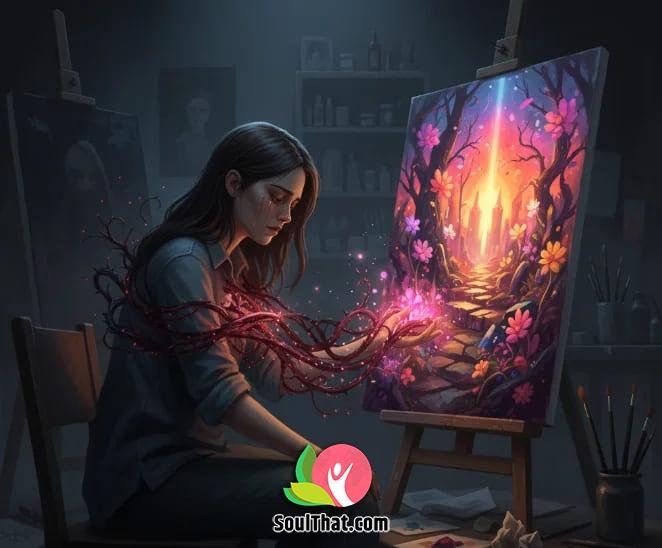
Art is a language of the soul. For many artists, it is not merely a hobby or profession—it is a lifeline. Creating art from pain is an intense emotional process, where raw feelings transform into brushstrokes, melodies, words, or sculptures. This journey is not just about producing art; it is about confronting inner struggles, channeling emotions, and emerging with both creation and self-discovery.
In this article, we explore the emotional landscape of turning pain into art, why this process is therapeutic, and how it can reshape the way we connect with ourselves and the world.
Why Pain Becomes a Muse
Pain is often seen as a negative experience—something to avoid. Yet, countless artists across history have turned their deepest struggles into masterpieces.
Raw Inspiration: Pain strips away superficial distractions, leaving emotions pure and potent.
Connection to Humanity: Art created from suffering resonates because everyone experiences some form of pain.
Self-Expression: It gives a voice to feelings that may be too complex to express verbally.
Think of Frida Kahlo, Vincent van Gogh, or Sylvia Plath. Their work carries unmistakable emotional depth born from personal suffering.
The Emotional Stages of Creating Art from Pain
The process of making art from pain often follows a journey, much like grief or healing. These stages are not rigid, but most artists experience a progression of emotional states:
1. Acknowledgment
Before creating, there must be recognition. Denying pain rarely leads to authentic art.
Key Points:
Accept that the emotion exists.
Identify the root of the pain—loss, heartbreak, trauma, or stress.
Use journaling or freewriting to articulate feelings before starting the art piece.
2. Emotional Overflow
Once acknowledged, emotions often feel overwhelming. This stage is intense, messy, and sometimes frightening.
Techniques to Channel Overflow:
Rapid sketching or abstract painting to release raw energy.
Improvised music or vocal expression.
Movement-based art, like dance or body painting.
This is the stage where the emotion itself begins to shape the art. The artist becomes a conduit, not a controller.
3. Transformation
Pain begins to translate into something tangible. Colors, shapes, sounds, or words take on meaning beyond personal anguish.
Characteristics of Transformation Stage:
Symbols and metaphors emerge naturally.
Negative emotions evolve into narratives or visual expressions.
The work often starts reflecting both suffering and resilience.
4. Reflection
After the initial creation, reflection allows the artist to step back and understand the meaning of their work.
Reflection Methods:
Critically analyze the piece: what emotions are present?
Seek feedback from trusted peers or mentors.
Document personal growth or insight gained through the process.
5. Acceptance and Release
Finally, creating art from pain is a release—a form of catharsis. While the pain may not vanish completely, the artist often experiences relief and clarity.
Benefits of Release:
Reduced emotional burden.
Increased self-awareness and emotional intelligence.
A sense of empowerment over one’s narrative.
Why Pain-Driven Art Is So Powerful
Art made from pain resonates universally because it captures raw truth.
Reasons for Impact:
Authenticity: People can sense when art is genuine; pain leaves no room for pretense.
Relatability: Viewers recognize their own struggles in the work.
Emotional Depth: Pain amplifies the emotional intensity of colors, strokes, or words.
Narrative Power: Stories of resilience and survival inspire others.
A simple painting of a cracked vase can evoke heartbreak, hope, and the beauty in imperfection—all because the artist channeled real emotion.
Different Mediums for Expressing Pain
Pain can be expressed through multiple artistic forms. Each medium offers unique advantages:
| Medium | How Pain Is Expressed | Emotional Effect |
|---|---|---|
| Painting | Color choice, brush strokes, abstract forms | Visual release, immediate emotional impact |
| Music | Melody, rhythm, lyrics | Cathartic, immersive, emotional resonance |
| Writing | Poetry, stories, journals | Articulates feelings, provides clarity |
| Dance & Movement | Choreography, improvisation | Physical embodiment, energy release |
| Sculpture | Form, texture, and material choice | Tangible transformation of inner turmoil |
| Digital Media | Animation, digital art, social media storytelling | Broad reach, versatile expression |
Tip for Artists: Don’t limit yourself to one medium. Combining mediums can intensify the emotional release and the audience’s connection.
How to Start Creating Art from Pain
Starting can be the hardest step. Here’s a roadmap to begin turning pain into creativity:
Step 1: Create a Safe Space
Choose a quiet, private environment.
Gather your materials—paints, sketchbooks, instruments, or digital tools.
Minimize distractions to focus on emotion rather than perfection.
Step 2: Accept Your Emotions Fully
Don’t judge your feelings; let them flow freely.
Cry, shout, write, or move if it helps release tension.
Step 3: Translate Emotions into Art
Use abstract shapes or colors that reflect your mood.
If writing, let words pour out without concern for grammar.
Allow the art to evolve organically—don’t control it too much.
Step 4: Pause and Observe
Step back frequently and notice how the art mirrors your emotions.
Reflect on patterns or recurring symbols in your work.
Step 5: Share (Optional)
Sharing can create empathy and connection.
Online platforms, galleries, or local communities are spaces to consider.
The Therapeutic Benefits of Pain-Based Art
Transforming pain into art is not just creative—it’s healing.
Mental Health Benefits:
Catharsis: Releasing pent-up emotions reduces stress and anxiety.
Emotional Awareness: Art helps identify and understand hidden emotions.
Empowerment: Taking control of a personal narrative builds resilience.
Mindfulness: Creating requires focus, which reduces rumination.
Physical Benefits:
Lower blood pressure from stress release.
Reduced muscle tension from expressive movement art.
Enhanced neuroplasticity through creative problem-solving.
Real Stories of Pain Turning Into Art
Vincent van Gogh: Struggled with mental illness and channeled his turmoil into paintings like Starry Night. The swirling skies reflect both chaos and beauty.
Frida Kahlo: Physical pain and emotional suffering were central to her surreal, symbolic paintings. Each work tells a story of resilience.
Maya Angelou: Wrote poetry and autobiographical works to process trauma, inspiring generations to confront adversity through expression.
These stories highlight a universal truth: art created from pain is timeless because it connects to our shared humanity.
The Role of Symbolism in Pain-Driven Art
Artists often use symbols to communicate what words cannot.
Common Symbolic Representations of Pain:
Broken objects: Loss or heartbreak
Shadows and dark colors: Grief or depression
Fire: Anger, transformation, or passion
Birds or wings: Freedom and hope
By incorporating symbolism, artists allow viewers to interpret and internalize the emotional journey in their own way.
Challenges Artists Face When Creating from Pain
While creating art from suffering is powerful, it comes with challenges:
Emotional Overwhelm: Intense emotions can be draining and even trigger mental health struggles.
Self-Doubt: Artists may fear their pain is “too personal” or “too raw” to be appreciated.
Fear of Vulnerability: Sharing deeply personal work exposes the creator emotionally.
Creative Blocks: Pain doesn’t always translate immediately into art; patience is key.
Ways to Overcome Challenges:
Practice self-care before, during, and after creating.
Seek support from mentors, therapists, or trusted friends.
Break the work into smaller, manageable sections.
Allow for imperfect expression; art doesn’t need to be “finished” to be meaningful.
How Pain-Based Art Connects Communities
Art from suffering doesn’t just heal the artist—it resonates with audiences, creating shared understanding and empathy.
Community Impact:
Mental health awareness campaigns often use art to depict struggles.
Exhibitions of trauma-inspired art provide safe spaces for dialogue.
Online platforms allow artists to connect with others experiencing similar pain.
Infographic Idea: A simple diagram showing the flow: Pain → Creation → Sharing → Audience Empathy → Collective Healing.
Tips for Maintaining Balance While Creating Painful Art
Creating art from intense emotions requires care. Maintaining balance ensures sustainability and mental well-being:
Set Time Limits: Avoid immersing yourself in pain for too long at once.
Switch Mediums: Alternate between intense and light-hearted creation.
Reflect Outside of Art: Journaling or meditation can complement artistic work.
Celebrate Small Wins: Recognize progress, even if the piece isn’t “perfect.”
Conclusion: Pain as a Catalyst, Not a Curse
Turning pain into art is both a challenge and a gift. It’s a journey of raw emotion, self-discovery, and transformation. Pain, though uncomfortable, can spark creativity that heals, connects, and inspires. Each brushstroke, note, or word becomes a bridge between the inner self and the world.
By embracing the emotional journey, artists don’t just produce art—they reclaim their stories, channel suffering into beauty, and create legacies that resonate far beyond their own experiences.
Pain may be universal, but through art, the experience of transforming it is profoundly personal—and infinitely powerful.
Key Takeaways for Artists:
Pain is a valid and potent source of inspiration.
Authentic expression resonates more than technical perfection.
The journey involves acknowledgment, transformation, reflection, and release.
Multiple mediums and symbolism amplify emotional impact.
Sharing art can foster empathy and collective healing.
Suggested Keywords for SEO Optimization: