
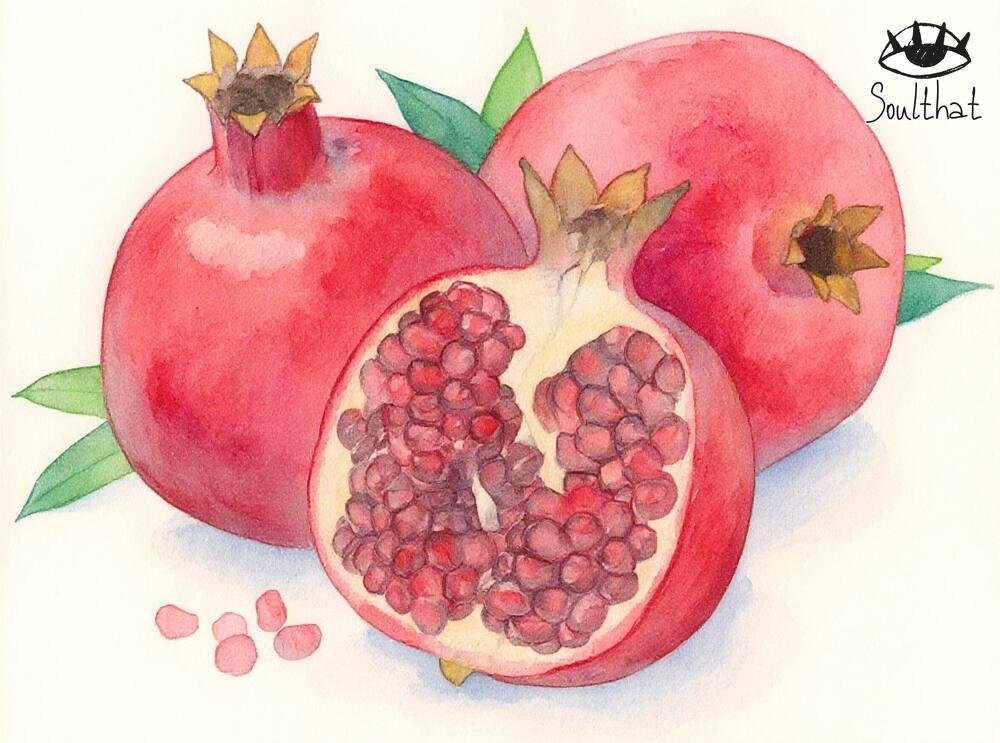
The pomegranate tree is known for producing a vibrant and deeply nutritious fruit, celebrated globally for its rich content of fiber, various vitamins and minerals, and potent antioxidants. While the ruby-red arils (the juicy casings surrounding the seeds) are highly prized, many wonder about the small, crunchy kernels at the center.
Should you eat pomegranate seeds? The answer is a resounding yes—but with a clear understanding of their unique properties and how to consume them responsibly.
Decoding the Nutritional Value of Pomegranate Seeds
Pomegranate seeds, sometimes mistakenly discarded, actually constitute a significant portion of the fruit, accounting for roughly half the total weight. While the surrounding arils contain slightly higher concentrations of fiber, antioxidants, vitamin E, and magnesium, the seeds are far from nutritionally void.
The seeds contain essential nutrients like fiber, vitamin E, magnesium, and antioxidants. Furthermore, they hold two specific components that contribute significantly to their health profile:
- Pomegranate Seed Oil: The seeds contain a type of fat known as seed oil, which is predominantly polyunsaturated.
- Anti-Inflammatory Acid: Pomegranate seeds contain a specific acid that has been associated with the potential to reduce inflammation in both the body and the brain.
In short, these seeds possess numerous healthy qualities and can be easily incorporated into a balanced diet.
Moderation is Key to Enjoying the Crunch
While the seeds offer substantial health benefits, they are not as naturally sweet or juicy as the arils that encase them. For most people, they are safe to consume, but like any highly fibrous food, moderation is essential. Eating an excessive quantity of pomegranate seeds may lead to stomach discomfort.
For those looking to enjoy their unique flavor and crunch, the seeds offer versatile culinary applications:
- Alone: Simply enjoyed as part of the arils.
- Sweet Treats: Sprinkled over yogurt or ice cream to add a healthy, crunchy texture.
- Savory Dishes: Tossed onto salads to add color and texture.
The Expert Guide to Choosing the Perfect Pomegranate
Selecting a quality pomegranate is crucial for ensuring peak flavor and ripeness. When choosing your fruit, look for the following characteristics:
| Selection Criteria | Ideal Characteristics | Why It Matters |
|---|---|---|
| Color | A deep, ruby red. | Indicates full maturation and high nutrient content. |
| Weight and Size | Should be big and feel heavy for its size. Look for a heavy feeling when you pick it up. | Weight signals juiciness and freshness. |
| Shape | Should be somewhat flat with sharp corners, rather than perfectly round. | This shape is often associated with the best internal structure. |
| Texture | Look for smooth, non-glossy, leathery skin. The skin should not be bumpy or cracked. | Integrity of the skin helps prevent spoilage. |
| Ripeness Test | The pomegranate should be slightly soft to the touch, indicating it is ripe. Avoid fruit that is very soft, as this suggests the interior may be mushy. | A balance of slight softness confirms readiness for consumption. |
Storage: Maximizing Shelf Life
Pomegranates are impressively durable fruits, allowing for long-term storage if they remain uncut.
- On the Counter: An uncut pomegranate can last for up to a month at room temperature.
- In the Refrigerator: If stored in the fridge, the fruit can keep for an impressive two months.
- After Cutting: Once the fruit has been cut open and the arils and seeds have been removed, they should be consumed within a few days to ensure freshness.
Simple Steps for Effortless Pomegranate Preparation
Separating the seeds from the surrounding membrane can be messy, but the easiest method involves using water to keep the seeds contained.
Follow these steps for quick and clean preparation:
- Prepare the Water: Fill a large bowl with water and set it aside.
- Remove the Crown: Using a sharp knife, slice off the very top of the pomegranate, cutting just below the crown or the pointed end of the fruit.
- Score the Sections: After removing the top, you will be able to see the interior sections outlined by the white membrane. Use the knife to score the skin along these visible sections.
- Submerge and Separate: Gently separate the scored pomegranate sections and place them directly into the bowl of water.
- Release the Seeds: While submerged, use your thumb to remove any remaining seeds from the membranes. The seeds will naturally sink to the bottom of the bowl.
- Clean Up: Ensure that all pieces of the skin and white membrane—which will float—are removed before straining and enjoying the clean, nutrient-rich seeds and arils.