
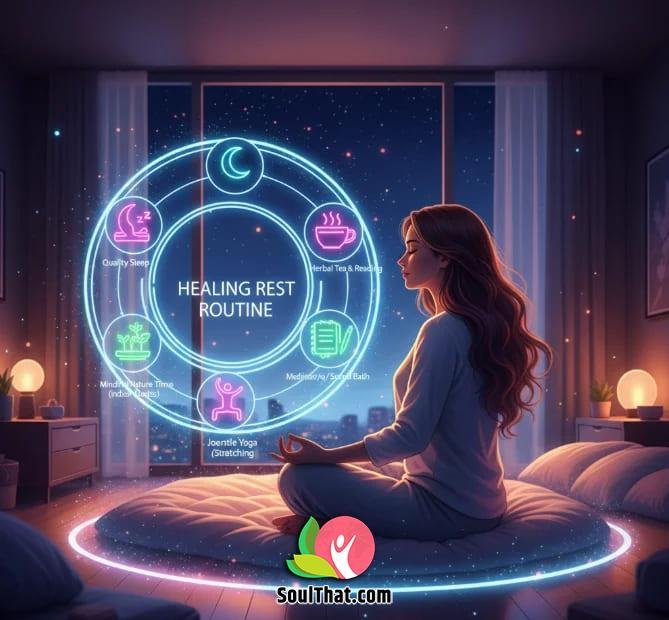
In today’s fast-paced world, rest is often seen as a luxury rather than a necessity. We rush from one task to another, juggling work, social life, and personal responsibilities, forgetting that our bodies and minds need recovery to perform at their best. A carefully designed rest routine isn’t just about sleep—it’s about creating a system of rejuvenation that restores your energy, sharpens focus, and strengthens your mental and physical health.
If you’ve ever felt drained, stressed, or mentally foggy, it might be time to rethink how you rest. This article will guide you through creating a rest routine that heals your mind and body, step by step.
Why a Rest Routine Is Essential for Health
Rest is not laziness. It’s a critical part of your body’s maintenance system. Without proper rest, your mind becomes cluttered, your immune system weakens, and your body struggles to repair itself. Here are some key benefits of a structured rest routine:
-
Improved Mental Clarity: Regular breaks help your brain process information and make better decisions.
-
Enhanced Physical Health: Rest supports muscle recovery, hormonal balance, and cardiovascular health.
-
Stress Reduction: Planned rest periods lower cortisol levels, reducing anxiety and tension.
-
Better Sleep Quality: Following a routine trains your body to sleep more deeply at night.
Step 1: Identify Your Rest Needs
Everyone’s body and mind respond differently to rest. To design a routine that works, you first need to understand your unique needs.
Determine Your Sleep Requirements
Most adults need 7–9 hours of sleep per night, but quality matters as much as quantity. Track your sleep for a week:
| Day | Hours Slept | Energy Level (1-10) | Notes |
|---|---|---|---|
| Mon | 7 | 6 | Felt groggy in morning |
| Tue | 8 | 8 | Good energy all day |
| Wed | 6 | 5 | Tired after lunch |
| Thu | 9 | 9 | Very alert in evening |
| Fri | 7.5 | 7 | Average energy |
| Sat | 8 | 9 | Great mood |
| Sun | 8 | 8 | Refreshed |
This helps you understand how much sleep keeps you feeling your best.
Assess Mental Recovery Needs
Mental rest is equally important. Ask yourself:
-
Do I feel overwhelmed or mentally drained?
-
Do I struggle with focus or memory?
-
How often do I take breaks during work or study?
Answering these questions helps you identify when and how often you need mental rest throughout the day.
Step 2: Create a Rest Schedule
Once you know your needs, it’s time to build a schedule that blends sleep, mental breaks, and physical relaxation.
1. Morning Reset
Start your day without rushing. Even 10–15 minutes of calm in the morning can set a peaceful tone. Options include:
-
Gentle stretching or yoga
-
Meditation or deep breathing
-
Journaling your thoughts
2. Midday Recharge
After several hours of activity, your energy dips naturally. A 20–30 minute break around midday can prevent burnout.
-
Take a short walk outside
-
Listen to calming music
-
Practice mindful eating during lunch
3. Evening Wind Down
Before bed, signal to your body that it’s time to rest:
-
Dim the lights
-
Avoid screens at least 60 minutes before sleep
-
Enjoy a warm bath or read a book
-
Practice gratitude journaling
4. Weekly Recovery
Include longer rest sessions weekly, such as:
-
A nature walk or hike
-
A digital detox day
-
Engaging in hobbies that bring joy
Step 3: Balance Active and Passive Rest
Rest isn’t always about lying down. There are two main types:
Active Rest
Activities that gently engage your body or mind while promoting relaxation:
-
Walking, tai chi, or light stretching
-
Listening to music or podcasts
-
Creative hobbies like painting, knitting, or writing
Passive Rest
Completely unplugging and doing minimal physical or mental activity:
-
Sleeping or napping
-
Meditation or deep breathing
-
Sitting quietly in a peaceful space
Tip: Mix active and passive rest throughout the day for the best results.
Step 4: Incorporate Mindful Breaks
Mindfulness enhances rest by keeping your mind from wandering into stress or negative thoughts. Try these techniques:
-
Box Breathing: Inhale 4 seconds → Hold 4 seconds → Exhale 4 seconds → Hold 4 seconds. Repeat for 5 minutes.
-
Body Scan: Focus attention on each body part, noticing tension and releasing it.
-
Sensory Awareness: Pay attention to sounds, sights, and smells around you to stay present.
Step 5: Use Environmental Support
Your surroundings impact how well you rest. Small adjustments can make a big difference:
-
Lighting: Soft, warm lights in the evening help signal sleep time.
-
Noise: White noise machines or calming music can drown out distractions.
-
Comfort: Invest in a supportive mattress, pillow, and cozy bedding.
-
Temperature: Cooler room temperatures (around 65°F/18°C) promote deeper sleep.
Step 6: Nutrition and Hydration for Rest
What you eat and drink directly affects your ability to rest and recover.
Foods That Support Rest
-
Magnesium-rich foods: Almonds, spinach, pumpkin seeds
-
Tryptophan sources: Turkey, eggs, milk
-
Complex carbohydrates: Oats, quinoa, whole grains
Foods to Avoid Before Rest
-
High sugar snacks
-
Excess caffeine or energy drinks
-
Heavy, greasy meals
Hydration Tips
-
Drink water steadily throughout the day
-
Reduce fluid intake 1 hour before bedtime to avoid nighttime awakenings
Step 7: Short Power Naps
If your night’s sleep isn’t enough, short naps can restore energy without interfering with nighttime rest.
-
10–20 minutes: Boosts alertness and mood
-
20–30 minutes: Enhances cognitive function
-
Avoid naps longer than 45 minutes: Can cause grogginess
Step 8: Track and Adjust Your Routine
Your rest needs change with lifestyle, stress, and age. Keep track of:
-
Sleep duration and quality
-
Daily energy levels
-
Mood and mental clarity
Use a simple chart or journal to note what works best, and adjust your routine accordingly.
| Activity | Frequency | Duration | Effectiveness (1–10) |
|---|---|---|---|
| Morning stretch | Daily | 10 min | 8 |
| Midday walk | 5 days/week | 20 min | 9 |
| Evening meditation | Daily | 15 min | 7 |
| Weekly digital detox | 1 day/week | 4 hours | 10 |
Step 9: Build a Rest-Friendly Mindset
Your mindset determines how effectively you rest. Many people feel guilty for taking breaks, which limits recovery. Cultivate these attitudes:
-
Rest is productive: It fuels creativity, focus, and problem-solving.
-
Quality over quantity: Even short, intentional rest beats long, distracted downtime.
-
Listen to your body: Tiredness is a signal, not a weakness.
Step 10: Integrate Movement for Balanced Recovery
Contrary to popular belief, rest isn’t always about stillness. Regular movement supports recovery:
-
Gentle yoga reduces muscle tension and improves circulation
-
Walking outdoors provides vitamin D and reduces stress
-
Stretching before bed can improve sleep quality
Example Weekly Plan for Mind and Body Recovery:
| Day | Morning | Midday | Evening | Weekly Highlight |
|---|---|---|---|---|
| Mon | Stretching | Walk 20 min | Meditation | – |
| Tue | Journaling | Light cardio | Reading | – |
| Wed | Yoga | Mindful lunch | Gratitude journaling | – |
| Thu | Stretching | Walk | Music session | – |
| Fri | Meditation | Light stretching | Digital detox | – |
| Sat | Nature walk | Relaxation | Hobbies | Extended rest |
| Sun | Sleep in | Mindful activity | Reading | Reflection & prep |
Step 11: Use Technology Wisely
While screens can disrupt rest, technology can also support recovery:
-
Sleep tracking apps monitor quality and suggest adjustments
-
Meditation or calming sound apps aid relaxation
-
Smart lights mimic natural sunrise/sunset to regulate circadian rhythm
Tip: Avoid scrolling social media at least 60 minutes before bed, as blue light and stimulation reduce melatonin production.
Step 12: Combine Social Rest with Alone Time
Social interactions impact mental energy:
-
Energy-giving connections: Positive conversations or laughter can refresh your mind.
-
Energy-draining interactions: Limit time with toxic or stressful people.
-
Alone time: Balances social energy and fosters self-reflection.
Step 13: Mind-Body Practices for Deep Healing
Incorporate techniques that promote holistic recovery:
-
Meditation: Reduces stress, enhances focus, and calms the nervous system.
-
Deep Breathing Exercises: Activates the parasympathetic system, lowering heart rate and tension.
-
Progressive Muscle Relaxation: Tenses and releases muscles to release stored stress.
-
Visualization: Imagining a calm scene can lower anxiety and induce sleepiness.
Step 14: Avoid Common Rest Mistakes
-
Skipping breaks: Leads to burnout and decreased productivity.
-
Ignoring sleep debt: Short-term sleep loss accumulates and affects health.
-
Multitasking during downtime: Prevents true mental recovery.
-
Over-scheduling relaxation: Balance is key; too much or too little rest disrupts rhythm.
Step 15: Monitor Progress and Celebrate Wins
Finally, recognize improvements and reward yourself. Rest routines are a lifestyle adjustment, not a quick fix.
-
Track energy levels daily
-
Celebrate consistent sleep or meditation streaks
-
Adjust gradually—small steps lead to lasting change
Conclusion
Designing a rest routine is more than just planning sleep—it’s about creating a system of intentional recovery for your mind and body. By understanding your needs, scheduling restorative activities, balancing movement and stillness, and nurturing your mental health, you can unlock a level of energy, focus, and well-being that many people never experience.
Remember: rest is not a luxury. It is a powerful tool for healing and growth. A consistent, well-designed rest routine equips you to tackle life’s challenges with clarity, creativity, and resilience. Start small, listen to your body, and watch as your energy, mood, and overall health transform.