
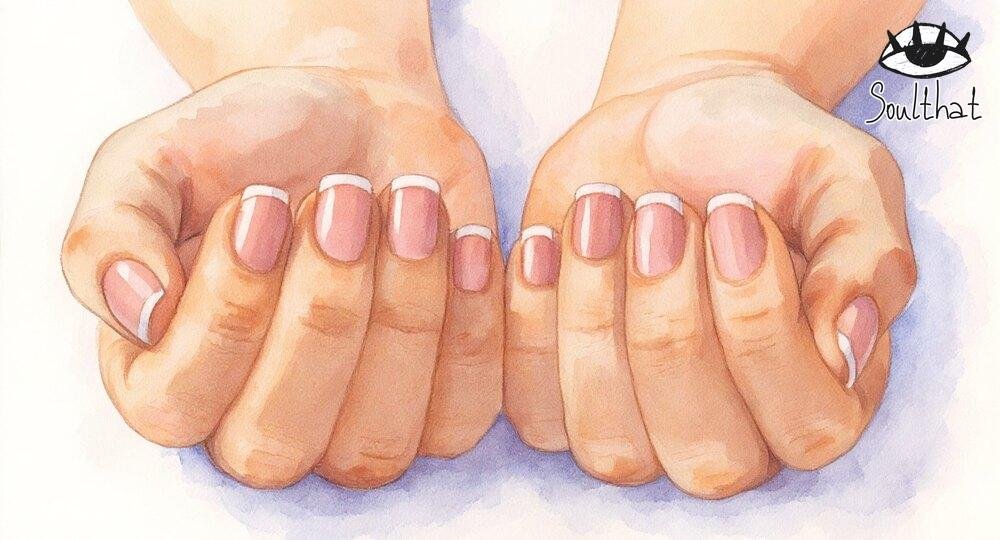
Did you know that your nails offer a direct window into your internal health?. For centuries, medical observers have noted that changes in the appearance of the nails can reflect underlying systemic issues. One particularly crucial area to observe is the nail lunula, often referred to as the “nail moon”.
The lunula is the organic semi-circular shape visible at the base of the nail. If the lines defining this area are clear and easy to see, it is generally considered a good sign of health. However, any alteration in the shape or color of the lunulae may signal an internal health problem that needs attention.
The Blueprint for Healthy Nails
If you are looking for signs of vibrant energy and good health, the best nails exhibit several key characteristics. Ideal nails are pink, firm, curved, and shiny. Crucially, they possess a clear, white lunula at the base. The brightness and clarity of this white area are directly connected to a person’s perceived energy levels.
For ideal systemic harmony, having between 8 to 10 clear lunulae across your hands is considered optimal. Our bodies are intricately designed to function in harmony, and they often send signals about problems with specific organs through visible changes in nail appearance, including variations in the size and color of the lunulae.
Decoding Color Changes: Your Lunulae Health Map
Changes in the color of the nail lunulae can provide significant medical information. While lunulae that are only slightly lighter than the skin indicate a healthy condition, specific color shifts may raise flags about various bodily functions:
| Lunulae Color/Appearance | Potential Health Implication |
|---|---|
| White Spots on Nails | May signal potential heart problems. |
| Yellow Spots | May indicate problems with blood flow to the brain, especially if symptoms like severe headaches or dizziness accompany them. |
| Gray Nails | Often suggest physical exhaustion or issues related to nutrient absorption. |
| Blue or Purple Hues | Indicates a lack of oxygen in the blood. This is typical for individuals experiencing breathing problems or those who frequently snore at night. Blue lunulae may also signal problems with copper metabolism. |
| Red Lunulae | May indicate severe conditions such as heart failure, liver cirrhosis, or psoriasis. If this color appears, a careful analysis of accompanying symptoms is required. |
| Black Areas | Typically appear due to external causes like trauma, bruises, or burns. However, they can also be a sign of gas poisoning. |
Beyond color, generalized changes—such as a reduction in size, poor definition, or unevenness of the lunulae—may indicate a range of health issues. These include blood clotting disorders, liver or stomach diseases, intestinal disorders, hormonal imbalances, respiratory issues, gynecological abnormalities, circulatory problems, or significant nutritional and vitamin deficiencies.
When the Lunulae are Absent: Circulation Concerns vs. Normal Variation
The absence or lack of visible lunulae is a common observation and one that modern doctors acknowledge. While this lack may indicate problems with blood circulation, it is essential to understand that the absence of lunulae does not always indicate disease.
Sometimes, having no visible nail moons is simply a part of the unique structure of the nail plate in certain individuals. Therefore, if you or your child does not have lunulae on their nails, there is nothing to worry about immediately.
The critical takeaway is that you should never try to treat yourself or take medicine solely because you observe that you do not have the little lines on your nails. The absence of lunulae does not automatically mean you are unwell.
Why Self-Diagnosis is Dangerous
Although changes in your nails can provide significant clues, it is impossible to judge the state of health solely by the appearance of the nails. The body works in complex ways, and an accurate diagnosis can only be made after a thorough examination by a qualified doctor.
If you notice any strange or unusual changes to your nails, especially regarding the color or size of the lunulae, do not ignore them. You should seek medical help straight away. Trust the signals your body is sending, but rely on professional medical expertise for treatment and diagnosis.