
7 Critical Signs Your Body Is Secretly Asking for Help: Causes, Solutions, and When to See a Doctor
Our bodies possess an incredible ability to communicate when something is amiss. Recognizing these critical signs early allows us to take action before a minor inconvenience escalates into a major health problem. If you notice these persistent signals, your body may be telling you it needs attention.
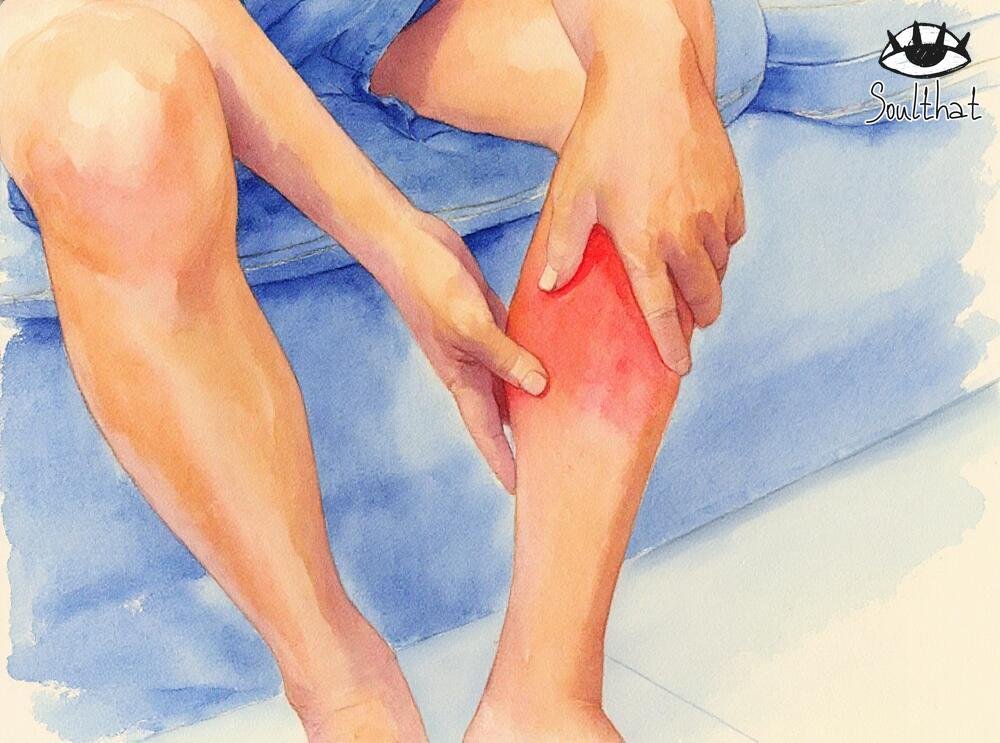
1. Frequent Leg Cramps
Leg cramps are more than just a passing discomfort; they are often sudden, painful muscle contractions that signal underlying physical issues.
What Causes Them?
These painful spasms frequently point to problems with circulation or nutrition. Possible root causes include:
- Circulatory Issues: Poor blood circulation.
- Nerve Compression: Compressed spinal nerves or nerve compression in the lower spine.
- Mineral and Hydration Imbalances: Not drinking enough fluid (dehydration) or insufficient essential minerals. Key minerals often lacking include magnesium, potassium, or calcium.
Actionable Prevention and Treatment
To reduce the frequency of these cramps, focus on maintaining optimal muscle function and fluid balance:
- Stay Hydrated: Ensure adequate water intake.
- Stretch Regularly: Incorporate regular stretching routines.
- Boost Magnesium: Increase your intake of magnesium-rich foods, such as nuts and leafy greens.
2. Uncontrollable Food Cravings
Having intense cravings for specific types of food is often your body’s way of indicating that it is missing certain essential nutrients.
What Causes Them?
Cravings can be triggered by nutritional deficiencies, metabolic imbalances, or emotional factors:
- Nutrient Gaps: A deficiency in specific nutrients can drive intense desire for particular foods. For instance, a deficiency in omega-3 fatty acids has been specifically linked to cravings for cheese.
- Sugar Imbalances: Low glucose levels are a common trigger for intense sugar cravings.
- Dietary Quality: An unbalanced diet that lacks essential nutrients.
- Emotional Stress: Eating based on emotion due to chronic stress or anxiety.
Actionable Prevention and Treatment
The best defense against unhealthy cravings is to ensure your body is consistently fueled with high-quality nutrients. This includes eating a balanced diet that incorporates whole foods, lean proteins, and healthy fats.
3. Chronic Headaches
While occasional headaches are common, frequent or ongoing headaches can signify a deeper underlying issue that requires attention.
What Causes Them?
Headaches can stem from lifestyle factors, mental health struggles, or serious medical conditions:
- Dehydration: Not drinking enough water or consuming beverages that don’t adequately hydrate the body.
- Mental Well-being: Chronic stress, anxiety, or depression are significant causes.
- Sleep Disturbances: Irregular sleep patterns or consistently failing to get enough rest.
- Medical Conditions: An underlying medical condition, such as chronic migraines or high blood pressure.
Actionable Prevention and Treatment
Prioritizing simple self-care routines can often help mitigate the frequency of headaches:
- Hydrate Daily: Drink enough water every day.
- Manage Stress: Actively work to reduce stress levels.
- Prioritize Sleep: Ensure you are getting adequate and consistent rest.
When to See a Doctor: If your headaches continue or worsen, it is crucial to consult your doctor for further evaluation.
4. Split Ends and Hair Damage
Damage to the hair, including the appearance of split ends, often reflects both external environmental stressors and internal nutritional deficits.
What Causes Them?
Hair damage usually results from overly aggressive styling or a poor nutrient foundation:
- Heat Styling: Excessive use of heat styling tools, such as hair dryers, straighteners, and curling irons.
- Chemical Exposure: Overly frequent use of hair dye or other chemical treatments.
- Nutrient Deficiency: Lacking specific vitamins, especially essential fatty acids, needed for healthy hair structure.
Actionable Prevention and Treatment
Protecting your hair involves minimizing trauma and nourishing your body from within:
- Minimize Heat: Avoid heat styling as much as possible.
- Use Protection: Apply protective hair products when styling.
- Eat Healthy Fats: Consume a nutrient-rich diet that includes healthy fats, which can be found in foods like fish and avocados.
5. Weak or Brittle Nails
If your nails break or chip easily, this fragility can indicate various health concerns beyond simple physical wear and tear.
What Causes Them?
Brittle nails are often linked to chemical exposure or nutritional shortages:
- Chemical Contact: Frequent use of nail polish and remover.
- Water Exposure: Spending excessive time exposed to water or strong detergents.
- Nutrient Deficiencies: Not getting enough nutrients vital for nail strength, such as biotin, iron, or vitamin D.
Actionable Prevention and Treatment
To strengthen your nails, focus on reducing chemical strain and boosting key vitamins:
- Limit Polish Use: Try to use nail polish less frequently.
- Wear Gloves: Protect your hands from too much water and detergents.
- Eat Biotin-Rich Foods: Increase your consumption of foods rich in biotin.
6. Persistent Bad Breath (Halitosis)
Chronic bad breath, or halitosis, can signal problems that extend beyond poor oral hygiene alone.
What Causes Them?
Causes range from dental neglect to digestive issues:
- Poor Oral Hygiene: Failure to clean teeth properly, leading to bacteria buildup.
- Gastrointestinal Issues: Conditions such as acid reflux.
- Dehydration: Not drinking enough water, which reduces saliva flow (making the mouth less wet and prone to bacteria growth).
Actionable Prevention and Treatment
Consistent oral hygiene and hydration are key defenses:
- Daily Care: Brush and floss daily.
- Stay Hydrated: Maintain adequate fluid intake.
- Seek Dental Care: If bad breath persists, see a dentist.
7. Frequent Bloating
Bloating often causes discomfort and is closely linked to digestive health.
What Causes Them?
This issue usually relates to how we eat, what we eat, and the efficiency of the digestive system:
- Eating Habits: Eating too quickly, which results in swallowing excess air.
- Dietary Choices: Consuming a large amount of rich, fatty, or processed foods.
- Digestive Weakness: Low stomach acid, which leads to poor digestion.
- Underlying Disorders: Potential digestive disorders, such as Irritable Bowel Syndrome (IBS).
Actionable Prevention and Treatment
Adjusting your eating habits and food choices can often alleviate frequent bloating:
- Slow Down: Eat food slowly.
- Choose Wisely: Select foods that are generally easy to digest.
- Avoid Fizzy Drinks: Stay away from carbonated beverages, as they can cause increased gas production.
Final Recommendation: Your body provides complex warnings through these signs. If you experience any of these chronic issues, particularly chronic headaches or persistent digestive problems, you should consult your doctor for a proper diagnosis and treatment plan. Understanding these signals is like reading your body’s health report, allowing you to proactively correct imbalances and prevent minor issues from worsening.