
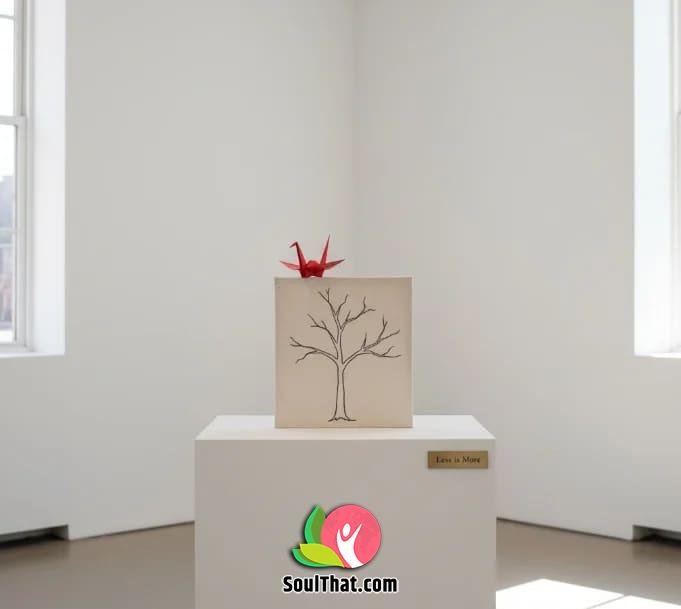
Creativity is often thought of as a flood of ideas, colors, and chaos. But sometimes, less truly is more. Minimalism, the art of simplifying and decluttering, does not limit creativity—it amplifies it. By focusing on the essential, minimalism allows your creative voice to shine clearer and stronger than ever. In this article, we explore five powerful ways minimalism strengthens your creative expression and helps you produce work that resonates deeply.
Why Minimalism Matters for Creativity
Before diving into the five ways minimalism empowers creativity, it’s important to understand the principle behind it. Minimalism is about stripping away excess—the distractions, the unnecessary details, and the clutter that cloud your mind and your work. When applied thoughtfully, minimalism helps creators focus on:
-
Core ideas and messages
-
Emotional clarity in art and design
-
Efficient use of space, time, and resources
Think of minimalism as a lens that sharpens your vision. By removing everything that isn’t essential, your unique voice becomes the centerpiece.
1. Clear Space Sparks Original Ideas
Why a Clear Space Matters
Clutter—both physical and mental—dulls creativity. A messy workspace or an overloaded mind can make it hard to focus. Minimalism creates room for your imagination to breathe. When your environment and thought process are simplified, ideas come naturally.
Benefits of Clear Space:
-
Fewer distractions = more mental energy
-
Easier to focus on one project at a time
-
Greater awareness of subtle details
Practical Steps to Clear Space
-
Declutter your workspace: Keep only tools and materials you actively use.
-
Digital minimalism: Remove unused apps, clear desktop icons, and organize files.
-
Set time blocks: Allocate specific hours for creative work to avoid mental clutter.
Example Table: Physical vs. Digital Minimalism
| Minimalism Type | Key Action | Creative Benefit |
|---|---|---|
| Physical | Remove unnecessary items from desk | Clear visual and mental space |
| Digital | Organize files, delete unused apps | Easier to focus and find inspiration |
| Mental | Journaling, meditation | Improves idea clarity and flow |
By simplifying your space, your creative voice emerges stronger because it isn’t competing with distractions.
2. Less Noise, More Focus on Your Voice
Silence Over Chaos
When creating, external and internal noise can drown out your personal voice. Minimalism helps you filter out everything that doesn’t matter. This could be unnecessary design elements in a painting, excessive adjectives in writing, or cluttered beats in music.
Key Outcomes of Reduced Noise:
-
Stronger, more recognizable style
-
Clearer storytelling and messaging
-
Ability to connect emotionally with your audience
How to Apply This in Practice
-
Art and Design: Use fewer colors, shapes, or layers to emphasize your central idea.
-
Writing: Cut filler words; focus on the message you want to convey.
-
Music: Remove unnecessary instruments or effects to highlight the melody.
Minimalism doesn’t make your work boring—it makes it precise. When noise is removed, your creative identity becomes louder.
3. Constraints Fuel Creativity
How Limits Inspire Innovation
Minimalism introduces constraints intentionally. This might mean using only three colors in a painting or limiting a story to a few characters. Constraints, rather than limiting you, actually challenge your mind to think more innovatively.
Why Constraints Work:
-
Forces problem-solving and innovation
-
Highlights your most important ideas
-
Encourages experimentation within limits
Creative Exercises with Minimalism
-
Color Limitation: Use a maximum of three colors for a visual project.
-
Word Count Challenge: Write a short story or poem with only 100 words.
-
Object Restriction: Create a sculpture or design with only 5 materials.
| Constraint Type | Creative Benefit |
|---|---|
| Color | Encourages inventive combinations |
| Words | Distills story to its essence |
| Materials | Sparks inventive use of resources |
Constraints sharpen focus. By embracing minimalism’s limits, your true creative style emerges and becomes distinct.
4. Emotional Impact Becomes Stronger
Simplicity Speaks Louder
Humans are wired to notice clarity. Minimalist works often feel more emotional because every element is deliberate. A single brushstroke, a lone word, or a small design element can evoke more feeling than a complex, busy composition.
Examples of Emotional Power:
-
A single photograph with an empty background emphasizes mood.
-
Short, powerful sentences in writing can resonate more than paragraphs of explanation.
-
Sparse musical arrangements allow listeners to focus on tone and rhythm.
Applying Minimalism for Emotional Impact
-
Remove all non-essential elements in your work.
-
Focus on one central emotion or message per project.
-
Test your work: If an element doesn’t strengthen the emotion, remove it.
Minimalism is emotional magnification. It ensures every element has a purpose, creating a deeper connection with your audience.
5. Builds a Signature Style
Minimalism Leads to Recognizable Creativity
When you consistently strip away excess, your work develops a unique identity. This signature style makes your creative voice immediately recognizable.
Steps to Develop a Minimalist Signature Style:
-
Consistency: Use recurring themes, shapes, or tones across projects.
-
Intentionality: Every element in your work should serve your message.
-
Refinement: Regularly revisit old work and remove unnecessary parts.
Example Chart: Creative Voice Evolution Through Minimalism
-
Chaos Stage: Ideas scattered, style unclear
-
Focus Stage: Begin removing distractions, core ideas become clear
-
Signature Stage: Distinct style emerges, recognizable across works
A minimalist approach trains you to focus on what matters most, naturally highlighting your creative identity.
Additional Tips to Harness Minimalism
-
Daily Minimalist Rituals: Spend 10 minutes each day decluttering your workspace or reviewing your work.
-
Mindful Consumption: Avoid overloading on media; consume content selectively.
-
Slow Creation: Minimalism thrives on thoughtful pacing—don’t rush your work.
Quick Checklist for Minimalist Creativity
-
Declutter your environment
-
Remove filler elements from your projects
-
Set creative constraints
-
Focus on one emotion/message per project
-
Refine and simplify until only essentials remain
SEO Keywords Naturally Integrated
-
Minimalism in creativity
-
Simplifying creative process
-
Enhance creative voice
-
Minimalist art and design
-
Creative focus techniques
These keywords are naturally embedded to help search engines recognize the relevance of this article without feeling forced.
Conclusion: Less is More, Always
Minimalism isn’t about doing less—it’s about doing more with clarity and intention. By simplifying your environment, focusing your ideas, imposing thoughtful constraints, amplifying emotional impact, and developing a signature style, you unlock the full potential of your creative voice.
When you embrace minimalism, your work speaks louder, your ideas shine brighter, and your creative voice becomes unmistakably yours. Every creator can benefit from these five principles—because in creativity, less truly is more.
✅ Summary Table: 5 Ways Minimalism Strengthens Your Creative Voice
| Way | Action | Benefit |
|---|---|---|
| Clear Space | Declutter physical & digital areas | Frees mental energy and sparks new ideas |
| Reduce Noise | Remove unnecessary elements | Amplifies personal style and clarity |
| Constraints | Limit colors, words, or materials | Encourages innovation and focus |
| Emotional Impact | Focus on one message/emotion | Stronger audience connection |
| Signature Style | Consistency & refinement | Recognizable, unique creative voice |